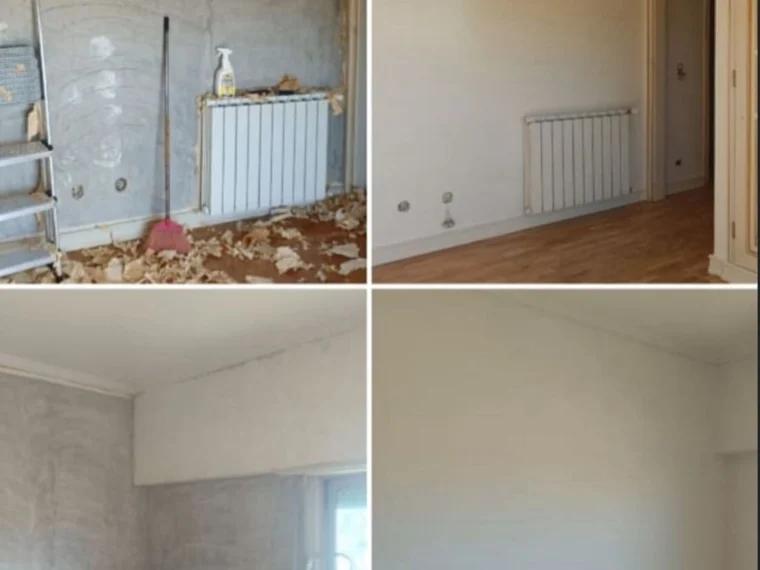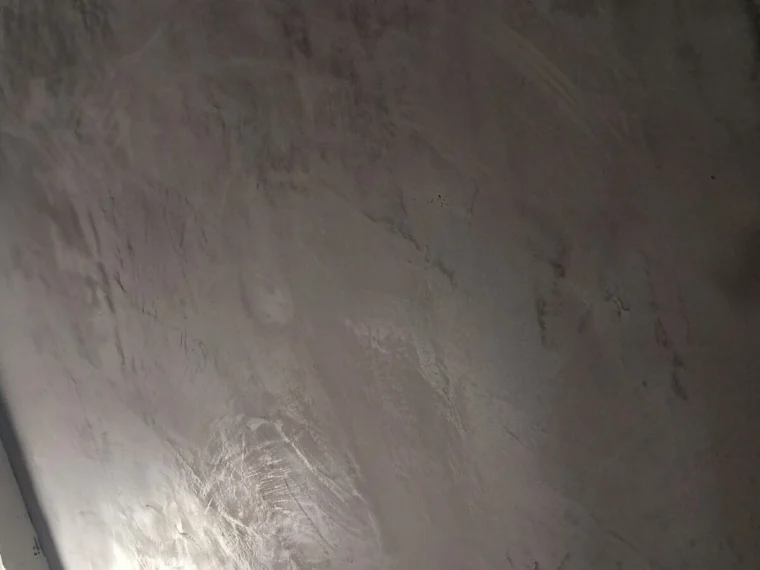
Microcement is the finish we have been asked for most in recent years. It is also the one surrounded by the most wrong information, almost always from people who are enthusiastic because they sell it.
Here is what we tell people who ask, including the times we say it is not worth it.
What it actually is
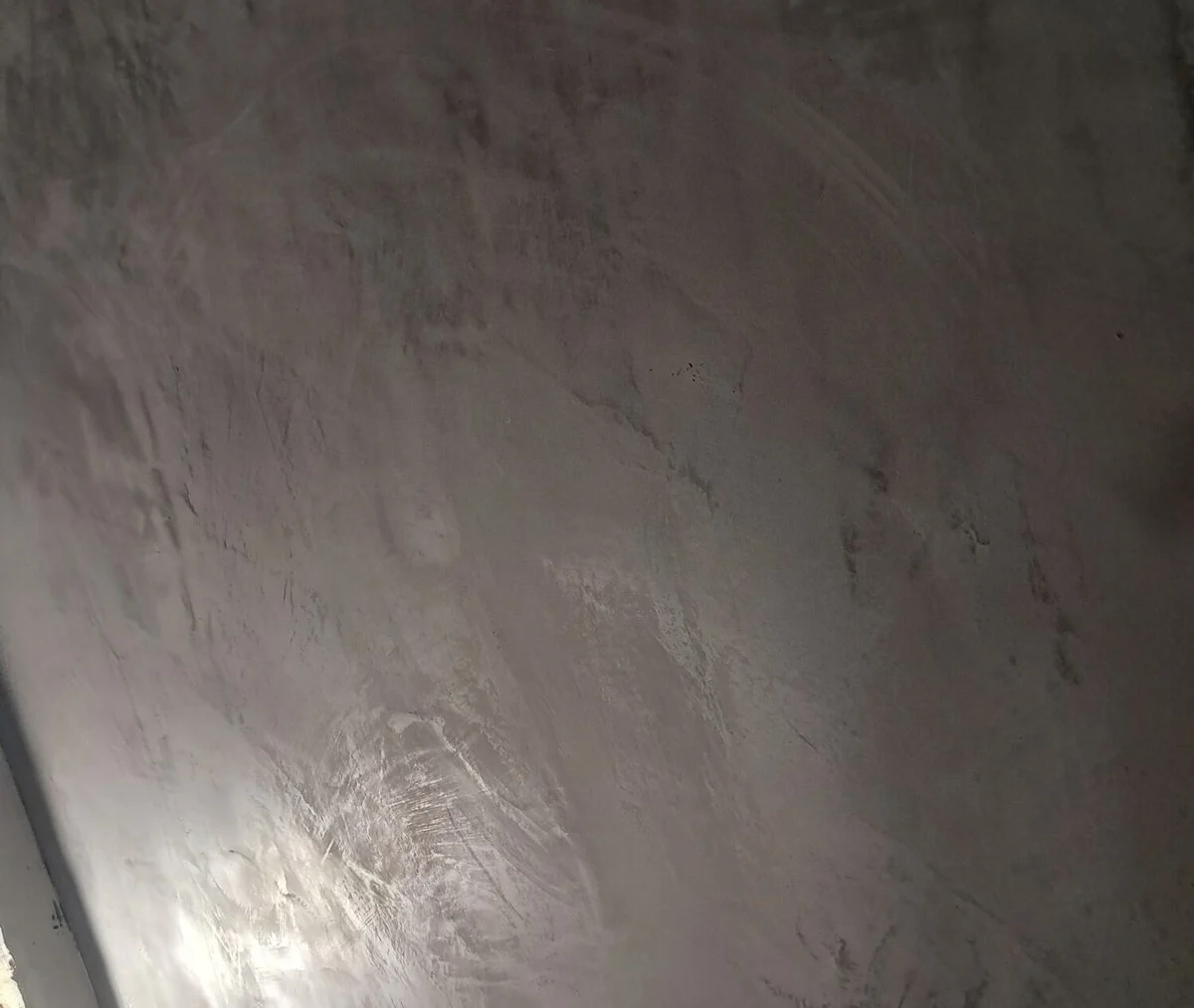
It is a cement-based coating with resins and additives, applied with a trowel in very thin coats — two to three millimetres in total. It is not a floor: it is a coating that lives stuck to whatever is underneath.
That sentence explains almost everything that follows.
The three real advantages
It goes over what is already there
Tiles, mosaic, screed, terrazzo. In most cases there is no demolition, which saves waste, time and noise. And because it is only a few millimetres, it does not raise the floor — the doors still open.
It has no joints
With no joints there is nowhere for dirt to collect and nowhere for mould to take hold. In a bathroom it makes a real difference to cleaning. On a floor that runs from room to room, the space reads as one.
It goes on any surface
Floor, wall, ceiling, stair, worktop, inside a shower. Few materials do this with the same continuity.
What you need to know first
It follows the substrate — including its faults
If the substrate cracks, the microcement cracks. That is not a fault in the product: it is the nature of a three-millimetre coating. It is why we lay reinforcing mesh and deal with movement joints before we start, and why we assess the substrate at the site visit.
It is days of work, not hours
It is several coats, each with its own curing time, with sanding in between. Anyone who tells you they will do a bathroom in a day is skipping coats or curing time — and it will show.
The sealer decides how long it lasts
The final finish is a polyurethane varnish. It is what stands up to water, staining and wear. A commercial space takes more coats than a house, and after a few years it is renewed in the heavy-use areas.
The catalogue colour is not the colour in your house
Light changes everything. We always make a sample on site, on the wall it is going on, and look at it in the morning and at the end of the day before deciding.
When we say it is not worth it
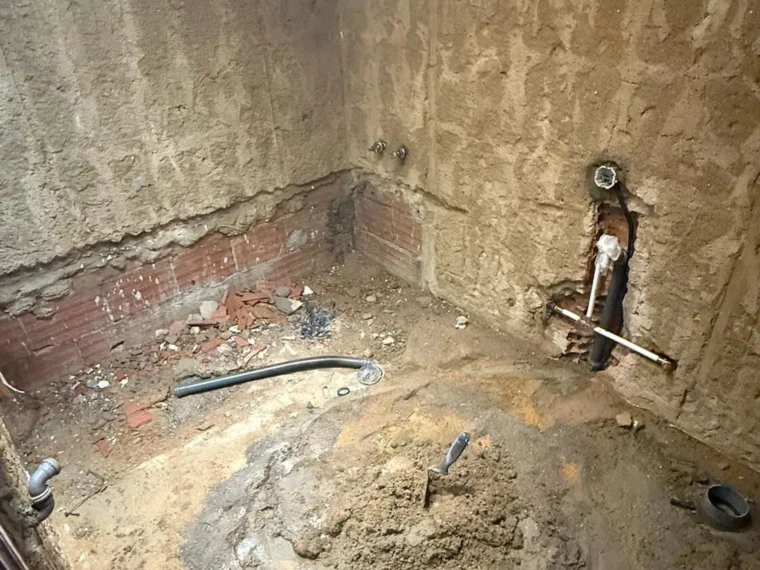
- When the substrate is moving. Hollow tiles, screed breaking up. That gets solved first, and sometimes solving it means demolition — and if you are going to demolish, there are other options.
- On very exposed outdoor floors. It is possible, with a different and more UV-resistant system, but there are better materials for a pool surround or a south-facing entrance.
- When you want the look and do not mind the joints. A large-format porcelain with a concrete effect costs less and goes longer without maintenance.
How to clean it
Water and a neutral detergent. No abrasives, no acids, no metal scourers. A damp cloth handles the day-to-day.
If you are thinking about microcement and would like an opinion on whether it makes sense in your case, tell us where it is. We will look at the substrate and tell you straight.